The Influence of Weather on Farming
Agriculture and weather are directly connected, since farming practices are highly dependent on atmospheric variations. Factors such as rainfall, temperature, and other elements affect crop production. The effects of climate change on agriculture, such as rising temperatures and shifts in rainfall patterns, have a very significant impact and can lead to major losses. There are several critical factors that require special attention. Here are some of them:
Daily temperatures above 32°C can reduce agricultural output, as they interfere with plant growth and the development of vital organs. During drought periods, combined with high temperatures, intense sunlight, and low relative humidity, irrigation demands increase, but in many regions, water shortages make it unfeasible.
The accumulation or increase of rainfall with heavy storms can also cause problems for agriculture. It may lead to flooding of cultivated areas, hinder the use of machinery, and cause production losses.
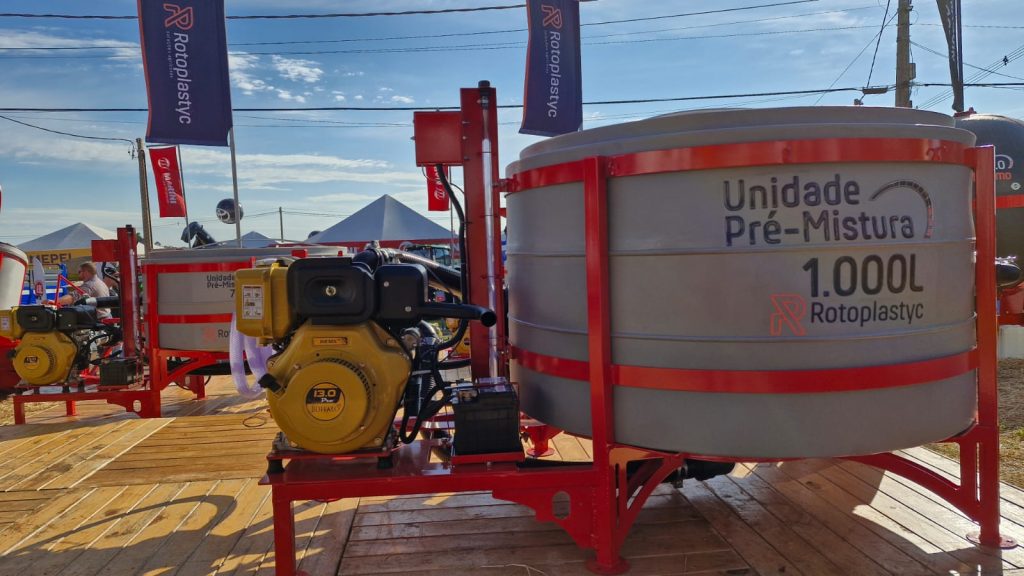
Another issue is the changing landscape of crop diseases and their management, which impacts agricultural productivity. These changes can affect both the infectious agents and the host plants. The application of more than one chemical pesticide, by mixing products such as herbicides, fungicides, and insecticides in the sprayer tank, is the best solution in such cases – always under the guidance and prescription of an agronomist.
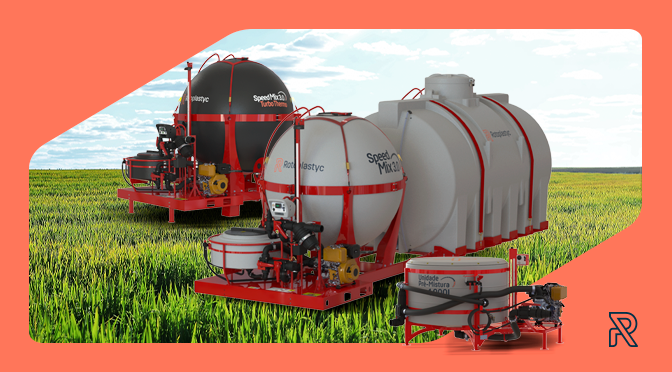
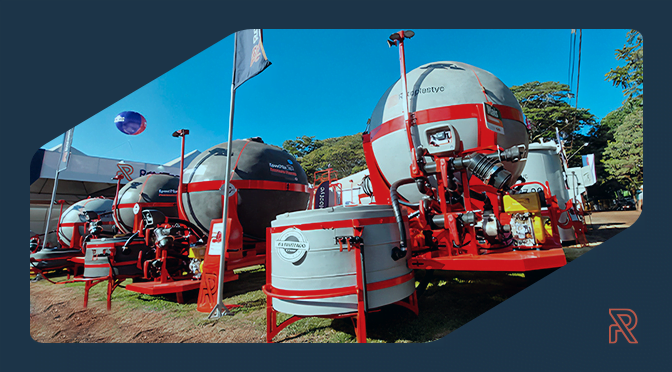
Today, many technologies can optimize the use of soil and agricultural inputs, making farm management more intelligent, such as mixing crop protection products that brings various benefits. Among them are the reduction in the number of field entries, fuel and water consumption, less crop trampling, shorter exposure time for rural workers, and improved pest resistance management and prevention.
Nowadays, it is essential for farms and cooperatives to include climate risk management in their planning processes. To support farmers in decision-making, there are many technologies that contribute to more efficient planting, fertilizing, irrigation, harvesting, and pesticide application, reducing costs and minimizing environmental impact.